Health and Safety Policy — Skip Hire Ilford
 Skip Hire Ilford is committed to maintaining high standards of health and safety across all operations. This policy sets out the responsibilities and procedures for safe skip hire, rubbish removal and waste collection in our service area. The aim is to protect employees, customers, contractors and members of the public from harm while ensuring compliance with relevant health and safety principles. All staff must read and observe this policy as part of their duty of care.
Our approach to safe working is founded on risk assessment, training and continual improvement. The organisation recognises hazards associated with skip delivery, collection, loading, and on-site waste handling. The company will ensure that hazards are identified, assessed and controlled using the hierarchy of controls. Where risks cannot be eliminated, appropriate measures will be implemented to minimise exposure.
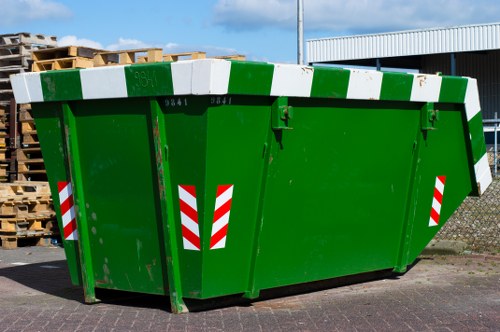 This policy applies to all aspects of our skip hire services and rubbish removal operations. Key objectives include reducing incidents and injuries, preventing damage to property and the environment, and promoting safe manual handling, vehicle operations and handling of hazardous materials. Management will provide resources to ensure that safety responsibilities are fulfilled and that performance is monitored regularly.
Responsibilities are allocated at all levels. Senior management will set the policy, allocate adequate resources and review performance. Supervisors are responsible for day-to-day safety management, ensuring staff are competent and that safe systems of work are implemented. Employees and subcontractors must follow instructions, use provided safety equipment and report hazards or incidents immediately.
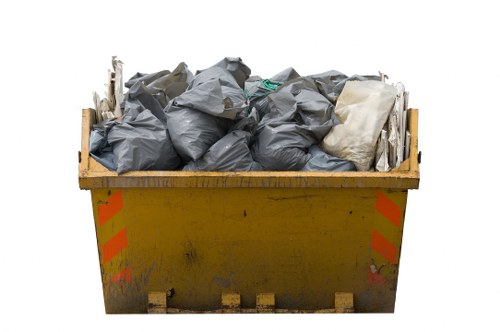 Training and competence are essential. Induction and role-specific training cover safe loading practices, use of lifting equipment, vehicle safety, traffic management, and the correct segregation of waste. We will ensure refresher training is provided at appropriate intervals and that records of training and certifications are maintained. Competent personnel only will operate machinery and drive skip lorries.
Operational controls include safe manual handling techniques, the use of mechanical aids where possible, and mandatory personal protective equipment (PPE) such as gloves, hi-visibility clothing, safety footwear and eye protection. Vehicle checks prior to departure, secure lashing of loads and adherence to weight limits are enforced to protect drivers and road users during collection and delivery.
Hazardous materials, including asbestos-contaminated waste, chemicals and sharps, require specific handling and disposal procedures. A permit-to-work process is used for identified high-risk tasks. Waste types must be declared before collection; if hazardous waste is suspected, the material will be quarantined and handled by qualified contractors. Under no circumstances should staff attempt to identify or remove asbestos unless trained and authorised.
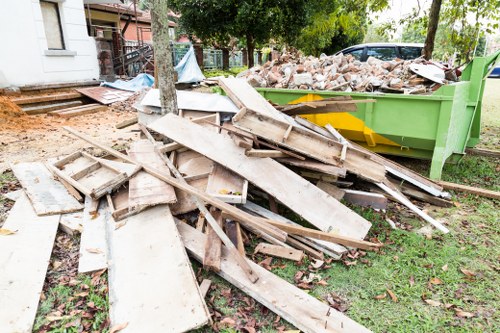 Emergency procedures are established to respond to incidents such as spills, injuries or vehicle collisions. First-aid provision and incident reporting systems are in place. All incidents and near misses will be investigated to identify root causes and implement corrective actions. Management will communicate lessons learned to prevent recurrence.
 To support safe working around customers’ properties, drivers and operatives will conduct pre-job site assessments to determine access constraints, pedestrian flow and local traffic conditions. Measures such as traffic cones, warning signs and safe loading zones will be used when necessary. The company strives to minimise nuisance while ensuring safety, balancing efficient rubbish collection with careful consideration for residents and businesses in the service area.
Monitoring, Review and Legal Compliance
Regular monitoring includes workplace inspections, vehicle audits and safety performance reviews. Records of inspections, maintenance, training and incidents will be kept to demonstrate compliance and to support continual improvement. The policy will be reviewed annually or after significant incidents, operational changes or legislative updates to ensure it remains effective and up to date.
Key safety controls and good practice
- Conduct and document risk assessments for each job.
- Provide and maintain appropriate PPE and specialist equipment.
- Enforce safe loading limits and secure loads on skip transport vehicles.
- Ensure competent handling of hazardous and controlled wastes.
- Maintain clear communication and signage during collections and deliveries.
Implementation: Managers will allocate roles and resources, supervisors will monitor safe systems of work, and operatives will follow procedures and report concerns. This shared responsibility underpins a safe culture for skip hire operations, waste collection services and general rubbish disposal activities across the company's service area. Everyone has a role to play in preventing harm.
Signed and authorised on behalf of the company — this policy is issued to ensure the health and safety of all people affected by our skip hire and rubbish removal operations. The document provides the framework by which the organisation manages hazards and ensures safe, lawful and environmentally responsible waste handling.