Skip Hire in Ilford for household, trade and site clearances
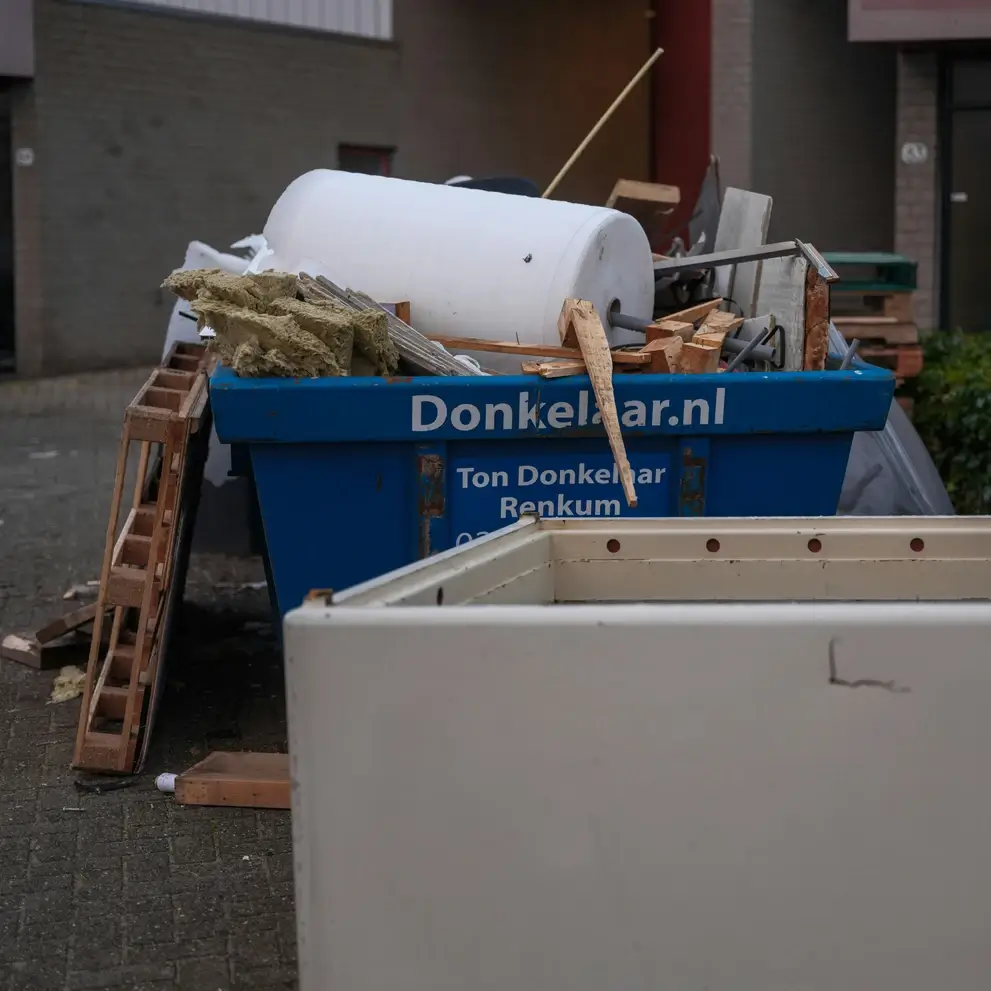
Skip hire in Ilford is a practical way to move bulky waste, mixed renovation debris and general clear-outs into one managed container. We provide straightforward skip hire for domestic jobs, builders, landlords and businesses that need a reliable waste solution without turning every task into repeated tip runs. The service is built around clear sizing, sensible loading guidance and collection when the container has been filled.
For many customers, the main benefit is simple: waste can be kept in one place while the work progresses. That helps on refurbishments, garden work, shop refits and property clearances where bags alone are not enough. We also support customers who need same day skip hire for urgent work, subject to availability and the practical details of the job.
When you are comparing options, it helps to think about what is being removed, how much space the materials will take, and where the skip can be placed safely. If you already know the rough waste type and access is straightforward, it becomes easier to choose a suitable size and arrange the right collection plan. That keeps the process direct and less disruptive.
Choosing the right skip for your project
The best skip for a job depends on volume, material type and where the container can sit. A smaller skip may suit a bathroom strip-out or garage tidy, while a larger one is often more efficient for continuous building work or a full house clear. We keep the focus on practical use, so customers can match the container to the actual load rather than overspending on unnecessary capacity.
For clearer planning, it is worth separating heavy inert debris from lighter mixed waste before ordering. Brick, soil, plaster and timber do not all behave in the same way once stacked inside a skip, and the make-up of the load can influence the most suitable choice. If your work produces a varied mix, we can discuss whether a standard hire or a more specialised option is the better fit for the task.
Useful details to have ready include:
- the main materials being removed
- approximate amount of waste
- how long the container is likely to be needed
- whether access is level, narrow or shared
- any restrictions on where the skip can sit
Domestic skip hire for clear-outs and home improvements

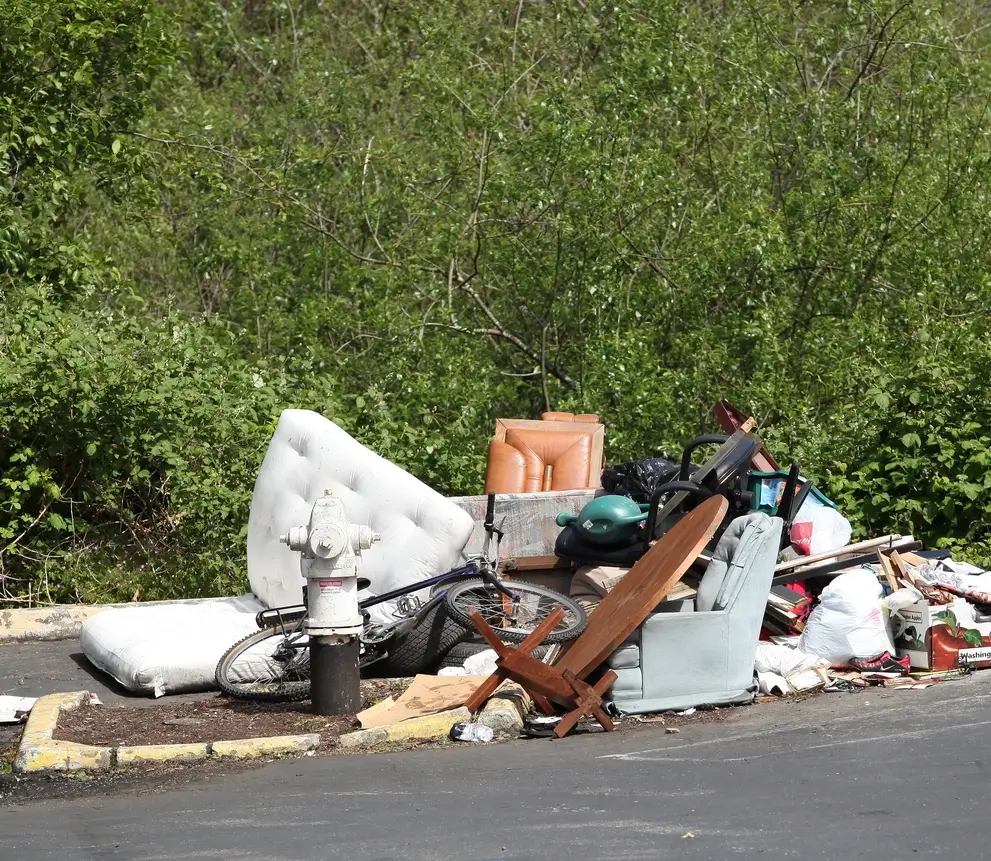
Domestic skip hire is useful when a home project generates more waste than a few bins can handle. It can suit loft clearances, kitchen removals, garden redesigns, small extensions and general decluttering. We help customers manage mixed household waste in a way that supports the pace of the job, so items can be placed in one container rather than spread across the driveway, garage or front room.
Household waste often contains a blend of materials, and that is where simple guidance matters. Flat-packed furniture, old fixtures, broken fittings, packaging and renovation offcuts are common examples, but certain items require separate handling or special arrangements. If you are unsure whether something belongs in the skip, it is better to check first than to discover a load problem later. Careful sorting at the start can save time at the end.
For domestic customers, the service is often about keeping the property usable while work continues. That may mean scheduling the hire around school runs, parking constraints or access through a shared drive. We can also advise on what can go in a skip so you have a clearer idea of acceptable materials before the container arrives.
Builders skip hire and construction waste management
Builders skip hire is designed for ongoing work that creates a steady stream of rubble, timber, packaging and site offcuts. This is a common choice for refurbishments, alterations and smaller construction projects where waste needs to stay close to the work area. The aim is to keep the site orderly and reduce repeated handling of debris, especially where labour time matters and access is limited.
Construction waste can be straightforward or mixed, depending on the stage of the job. Early strip-out may generate plasterboard, fixtures and timber, while later phases bring more packaging and offcuts. That is why choosing the right container and loading method matters. Our builders skip hire service supports these varied loads, helping trade customers keep waste removal aligned with the pace of the project.
Where projects involve demolition or heavier clearances, it is sensible to look at the material mix before arranging collection. Dense waste can fill a container quickly by weight, even when it still appears to have room, so loading strategy is important. If you need a more targeted approach, the demolition waste removal page gives a useful indication of that kind of service focus.
Site clearance and outdoor waste removal
Site clearance is useful when a plot, yard or work area needs to be cleared of loose waste before further work can begin. This may involve mixed rubbish, broken materials, weathered timber, soil-contaminated debris or items left behind after previous activity. A container-based approach makes it easier to clear the area in stages rather than waiting for waste to accumulate in awkward piles.
On some jobs, the key decision is whether the waste should be taken through a skip, a grab lorry or a different clearance method. Each approach suits different access conditions and waste patterns. For larger or loose materials, our site clearance service can be a better fit, while the grab hire services page is relevant where waste volume or access makes mechanical loading preferable.
Commercial and domestic customers both benefit from a clear plan when clearance work is only one part of a bigger schedule. If you are managing a chain of tasks, it helps to decide which waste is leaving first and which materials need separate treatment. That makes the overall arrangement more efficient and reduces the chances of waste blocking the next phase of work.
Pricing, size choices and quotation factors
Skip hire pricing depends on several practical factors rather than one fixed formula. Size is important, but so are waste type, hire duration, access, placement and any additional requirements such as permits or collection timing. The clearest quote is usually based on a sensible description of the job rather than an estimate that ignores the materials involved. We aim to keep that process simple and usable.
If you are comparing services, it helps to look beyond the headline figure and consider what is included. A suitable quote should reflect the likely amount of waste, the collection plan and any conditions that affect the job. For customers who need a clear steer on cost structures, the skip sizes and prices page can support early planning, while pricing and quotes is the better place to review enquiry-focused information.
Because every job is different, a quote becomes more accurate when access details and waste type are described clearly. Two jobs may both need a skip, but one may involve light mixed household rubbish and another dense renovation debris. Those differences affect capacity and handling. Providing the main facts early makes it easier to recommend a sensible option.
Permits, placement and access planning
Skip placement can be straightforward on private ground, but roadside or restricted positions may involve extra considerations. If a skip needs to sit on a public highway, a permit may be required and the arrangement should be made before delivery. The details vary by location and the practical setup of the street, so it is worth checking the position carefully rather than leaving it to chance on the day.
Access matters as much as placement. Narrow drives, low branches, parked vehicles and shared entrances can all affect how a skip is delivered and collected. If space is tight, a more compact container or a different waste strategy may be more suitable. Customers who want a deeper overview of the permission side can refer to skip permits or the related skip hire permits page for that part of the arrangement.
There are also situations where a wait and load skip hire approach is more appropriate, especially where parking or permit issues make longer placement awkward. The right decision usually comes down to whether the skip can remain safely on site and whether the loading method suits the pace of the work. A little planning here can prevent delays later.
Household and business waste streams

Not every customer needs the same kind of removal service. A homeowner clearing a spare room, a landlord emptying a property and a business refurbishing office space all generate different waste streams. We support a range of everyday collections, from light domestic items to bulkier commercial materials, with the emphasis always on the practical match between waste and container.
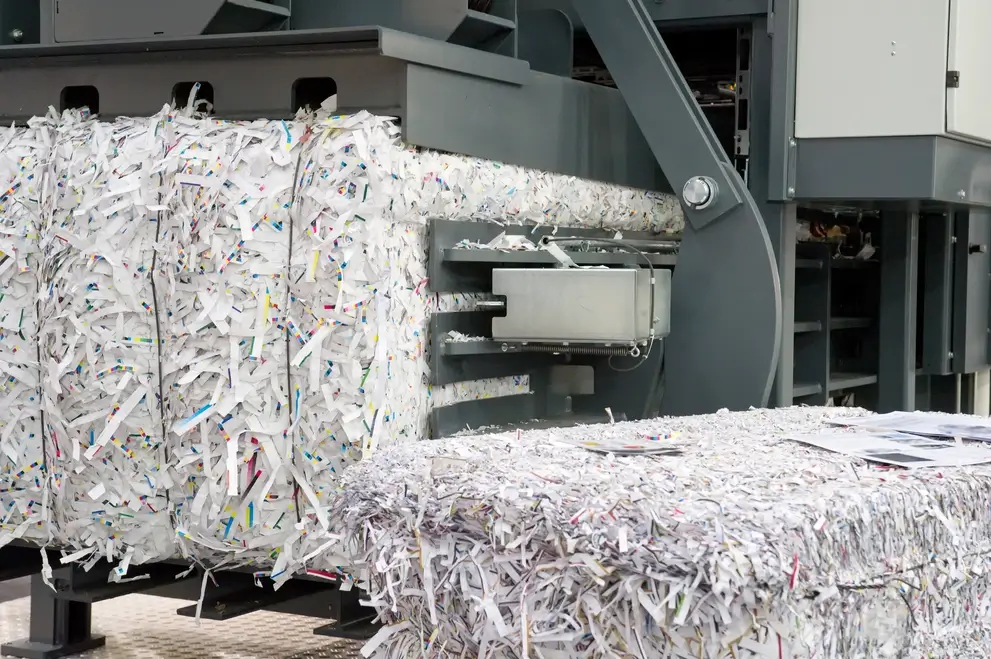
For office and workplace clearances, the main concern is often speed, access and separation of suitable items. Desks, shelving, archived paper and general fittings may need to be sorted before removal, especially when confidential material or specialist items are involved. Our office clearance and confidential shredding pages are useful references where business disposal needs go beyond a standard skip load.
Domestic customers sometimes need a different route for bulky single items. That may include appliance removal or larger furniture disposal when the contents of a room are being refreshed rather than cleared in bulk. In those situations, services such as fridge and appliance removal or mattress and sofa disposal can complement skip hire, depending on the material and the space available.
Waste types, recycling and responsible handling
Responsible skip hire is not only about collection; it is also about knowing how waste is sorted and where it should go next. Mixed loads may contain recyclable material, reusable timber, metal offcuts and general refuse, and these need to be handled in line with suitable disposal routes. We support waste management that makes recycling and segregation part of the overall process rather than an afterthought.
If you are comparing disposal methods, it can help to distinguish between general rubbish and materials that need specific treatment. Hazardous items, for example, should not be treated as ordinary waste, and appliances or fridges often require separate handling. For more detail on these categories, see waste recycling services, recycling and sustainability and, where relevant, hazardous waste disposal.
The most efficient jobs tend to be the ones where waste is grouped sensibly before loading. That does not mean every item must be sorted perfectly, but it does mean taking a moment to keep obvious recyclables, prohibited materials and bulky waste in mind. Clearer loads usually make collection and disposal simpler.
About Ilford
Ilford is a large district in east London within the London Borough of Redbridge, known for its busy urban character, varied housing and strong transport connections. The area grew significantly during the nineteenth and early twentieth centuries, particularly after the arrival and expansion of the railways, which helped turn what had been a smaller settlement into a substantial suburban centre. Today, Ilford combines commercial streets, residential neighbourhoods and civic spaces, with the town centre acting as a focal point for shopping, services and public transport. Valentines Park is one of the best-known green spaces in the district, offering formal gardens, open lawns and a sense of continuity with the area’s earlier landscape history. Nearby, the Grade II* listed Valentines Mansion provides a link to the locality’s Georgian and Victorian past, while Ilford Lane and the surrounding streets reflect the district’s long role as a commercial corridor. The area also sits close to the River Roding, an important geographic feature in east London, and the waterway has shaped land use and movement across the wider district. Cultural life in Ilford is varied and reflects the diversity of the borough, with independent shops, places of worship, schools and community venues contributing to its day-to-day character. For many people, the district is defined by this combination of transport access, established housing and active local commerce, all set within a part of London that has changed repeatedly while retaining recognisable historic layers.
Domestic clearances, garage work and final arrangements
When a project becomes more than a simple tidy-up, the service often needs to cover a few connected tasks. Garage and loft clearances may uncover a mix of old furniture, packed boxes, broken household fittings and forgotten equipment, while garden work can produce branches, fencing, soil-contaminated waste and bags of green material. We can help customers keep these items moving in a practical order rather than letting them build up around the property.
Some jobs are best handled as a staged clearance rather than a single large removal. For example, one container may deal with the initial clear-out while a second arrangement is planned for the last heavy items or the final building offcuts. If you are comparing methods, the garage and loft clearance and garden waste removal pages may help you see how different waste types can be handled. For lighter rubbish that is quicker to remove by hand, rubbish removal is also worth considering.
The main thing is to keep the disposal route aligned with the work itself. A clear plan avoids waste sitting around for longer than necessary and helps the site stay manageable until the job is finished. If you are ready to move on, the final step is to make an enquiry and request a quotation.
Commercial projects, office fit-outs and next steps

Commercial jobs often need a balance of speed, access and sensible waste separation. Shop refits, office changes and light industrial clearances may generate cardboard, fixtures, shelving, flooring offcuts and packaging in one go. Where the waste is mixed but manageable, a skip provides a central point for collection and helps teams work around one dependable disposal method rather than multiple ad hoc trips.
If the project involves a wider programme of removals, a skip can sit alongside other services that make the overall job easier to control. Commercial skip hire is a relevant starting point for business use, while construction waste disposal gives more context for trade and refurbishment loads. For customers dealing with bulkier premises clearances, house clearance and man and van can also be useful supporting options where the waste pattern suits them.
We keep the process as straightforward as possible from the first enquiry through to collection, with clear guidance on what is suitable and what needs a separate route. If you would like to discuss the waste, the access and the right container for your job, contact us to request a quotation and confirm the best arrangement.